
Program Overview
The Bachelor of Science in Applied Science in Mechanical Engineering Technology at Youngstown State University prepares students for advanced technical careers in mechanical systems, manufacturing, product design, automation, and industrial operations.
Graduates can pursue technical and professional roles such as mechanical engineering technologist, engineering designer, manufacturing technologist, quality technician, test technician, CAD designer, and product development support in manufacturing, consulting, government, construction, and other industrial settings.
YSU offers more than one pathway into Mechanical Engineering Technology. Students who want a shorter, career-focused option may start with the Associate of Applied Science in Mechanical Engineering Technology. The AAS can prepare students for entry-level technical roles and may also support continued study toward the bachelor’s degree.
Students who know they want a four-year degree, broader technical preparation, and more opportunities for long-term advancement may choose the bachelor’s degree from the beginning. Both options are designed to help students build practical skills for manufacturing, engineering technology, and industrial careers.
Speak to a Faculty Member
Mike Costarell
Professor, BSAS in Mechanical Engineering Technology
The Bachelor of Science in Applied Science in Mechanical Engineering Technology is accredited by the Engineering Technology Accreditation Commission of ABET, https://www.abet.org/, under the General Criteria and the Program Criteria for Mechanical Engineering Technology.
Students learn how mechanical products, equipment, and systems are designed, tested, manufactured, and improved. Coursework emphasizes hands-on learning, applied engineering principles, technical communication, laboratory work, and the use of modern tools used in engineering and manufacturing environments.
This applied bachelor’s degree builds strong skills in engineering technology, design, testing, production systems, and problem solving for modern industry.
Students in the Mechanical Engineering Technology bachelor’s degree develop the technical, communication, and leadership skills needed to support engineering teams and solve applied problems in manufacturing and industry.
Key areas of study include:
Through classroom, lab, and project-based learning, students gain experience applying mathematics, science, engineering, and technology to broadly defined engineering problems. Graduates also develop the ability to design systems, components, and processes; conduct tests and measurements; analyze results; communicate technical information; and work effectively on technical teams.
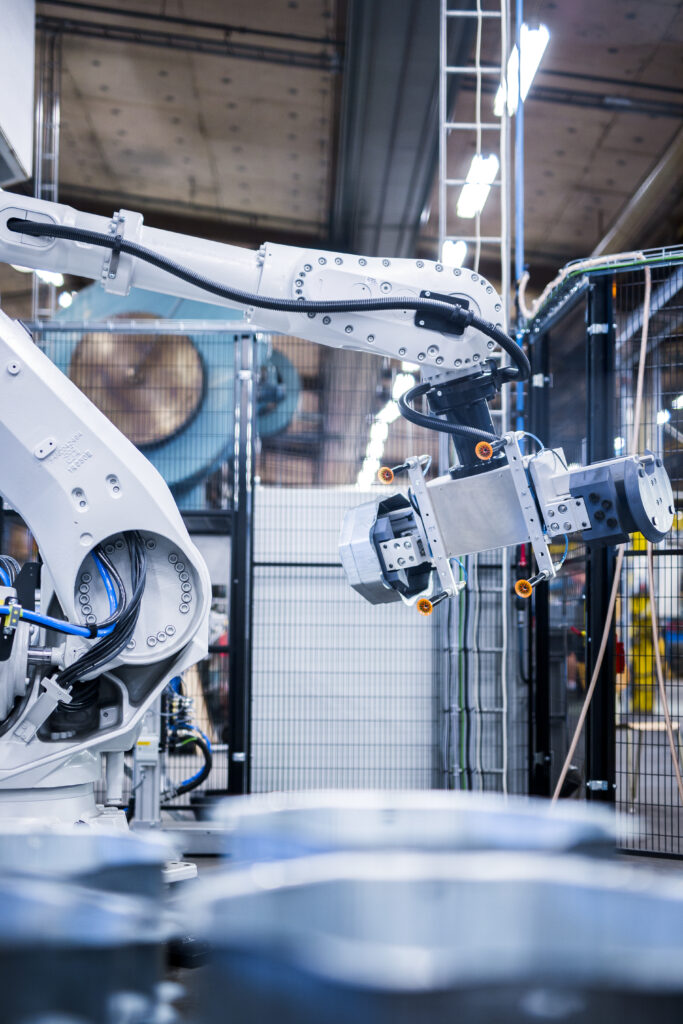
YSU’s Mechanical Engineering Technology bachelor’s degree combines applied engineering coursework with hands-on technical experience. Students study mechanical systems, design, manufacturing, controls, robotics, testing, and machine systems while developing the communication and teamwork skills needed in professional environments.
The program is designed for students who want to apply engineering principles to real-world technical problems. Graduates are prepared for careers in industry, manufacturing, consulting, government, and engineering support roles, with the ability to take on greater responsibility as they gain experience.
The Bachelor of Science in Applied Science in Mechanical Engineering Technology is accredited by the Engineering Technology Accreditation Commission of ABET under the General Criteria and the Program Criteria for Mechanical Engineering Technology.
Mechanical engineering technology graduates enter a field connected to manufacturing, engineering services, industrial operations, product development, automation, and applied design. According to the U.S. Bureau of Labor Statistics, mechanical engineering technologists and technicians earned a median annual wage of $68,730 in May 2024. BLS also reports that mechanical engineers earned a median annual wage of $102,320 in May 2024, with employment projected to grow 9 percent from 2024 to 2034.
The broader engineering and architecture occupational group is also projected to grow faster than the average for all occupations from 2024 to 2034, with about 186,500 openings projected each year. Related pathways may also include industrial engineering, drafting, CAD design, testing, quality, manufacturing, and engineering support roles, depending on a graduate’s experience, interests, and employer requirements.
For students interested in both hands-on technical work and long-term advancement, a bachelor’s degree in Mechanical Engineering Technology can provide preparation for roles that involve design, testing, production improvement, systems analysis, and technical leadership.
Mechanical engineering technology graduates are needed across industries that design, build, test, maintain, and improve mechanical systems and products. Graduates may find opportunities in:
Employers value graduates who can connect engineering principles with practical, hands-on problem solving. Mechanical engineering technology students develop skills that support both technical work and advancement into positions with greater responsibility.
Graduates of the Mechanical Engineering Technology bachelor’s degree can pursue careers in engineering technology, mechanical design, manufacturing, testing, automation, and industrial operations.
Common career paths include:
These roles may involve designing mechanical components, supporting engineers, testing equipment, improving manufacturing processes, working with robotics or automation systems, preparing technical drawings, analyzing production systems, and helping organizations solve technical problems.
The STEM community has a variety of student professional organizations that allow you to grow and foster your learning in an environment with those who share the same interests.
Student professional organizations provide opportunities for you to meet experienced professionals, collaborate with students at other universities, or form relationships with colleagues outside the classroom. They provide social, academic, entrepreneurial, and professional networking opportunities.
Each year, thousands of dollars in scholarships are awarded to students enrolled in the College of Science, Technology, Engineering, and Mathematics. Scholarships come from a variety of sources, vary in amount, and are available to both incoming and current STEM students. Below, you will find further information regarding the opportunities that may be available to you through the STEM College.